This is default featured slide 4 title

Go to Blogger edit html and find these sentences.Now replace these sentences with your own descriptions.This theme is Bloggerized by Lasantha Bandara - Premiumbloggertemplates.com.

This is default featured slide 5 title

Go to Blogger edit html and find these sentences.Now replace these sentences with your own descriptions.This theme is Bloggerized by Lasantha Bandara - Premiumbloggertemplates.com.

How It Spreads

Image result for what is corona virus

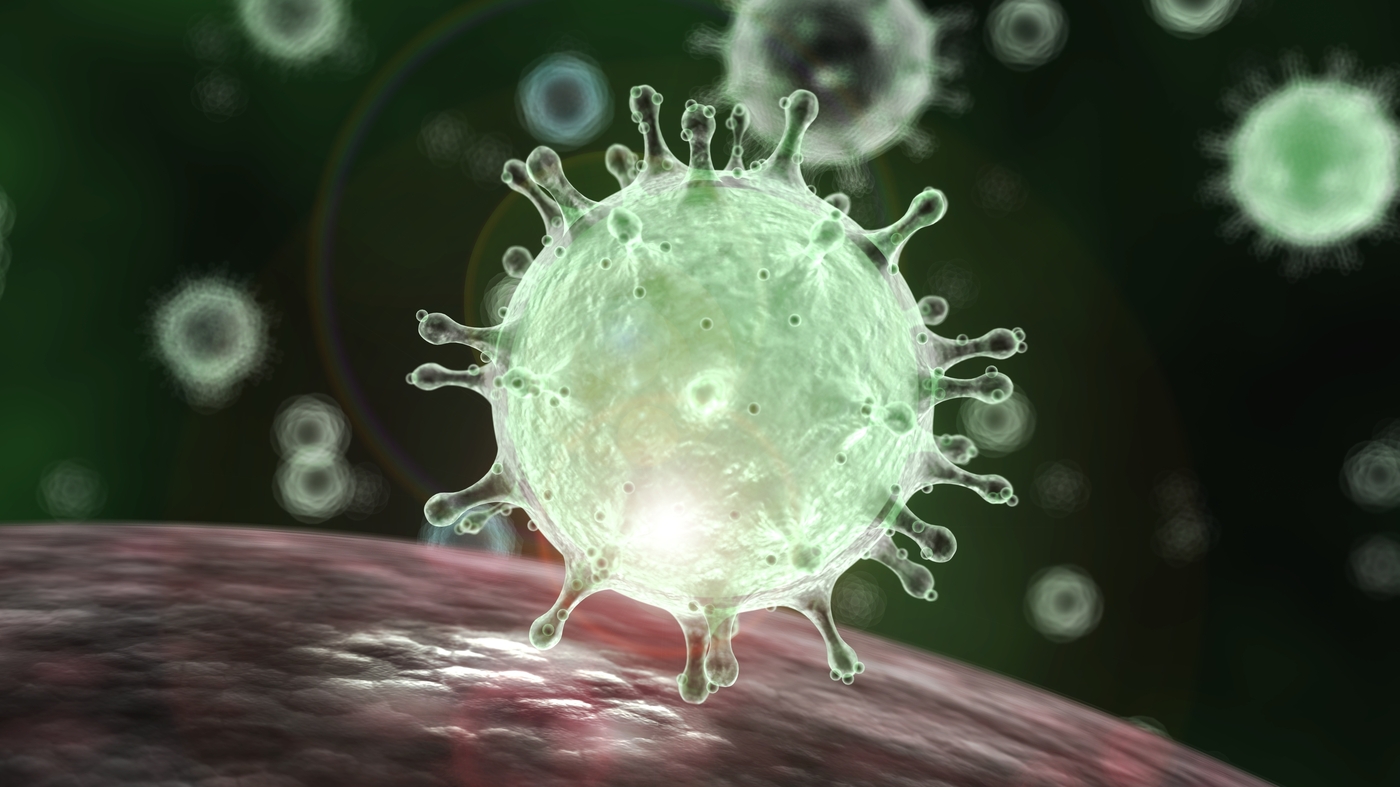
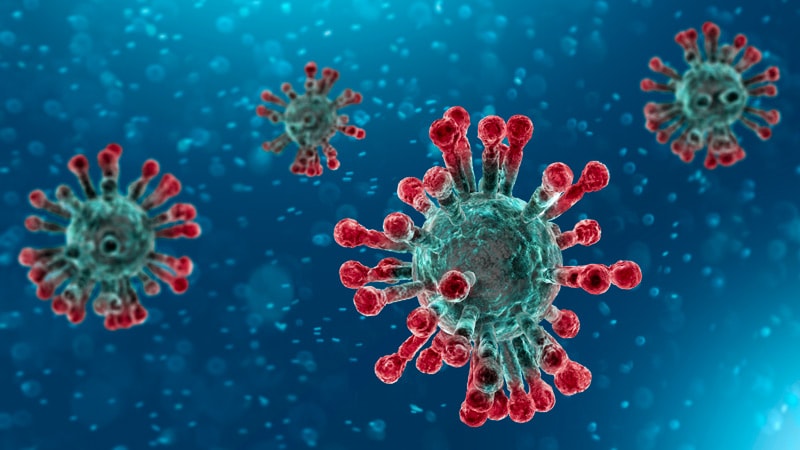
Coronavirus disease (COVID-19) is a new strain that was discovered in 2019 and has not been previously identified in humans. The COVID-19 virus is a new virus linked to the same family of viruses as Severe Acute Respiratory Syndrome (SARS) and some types of common cold. 

How It Spreads?

How easily a virus spreads from person-to-person can vary. Some viruses are highly contagious (spread easily), like measles, while other viruses do not spread as easily. Another factor is whether the spread is sustained, spreading continually without stopping.

Person-to-Person: The virus is thought to spread mainly from person-to-person.

  • Between people who are in close contact with one another (within about 6 feet).
  • Through respiratory droplets produced when an infected person coughs or sneezes.
  • These droplets can land in the mouths or noses of people who are nearby or possibly be inhaled into the lungs.
  • Some spread might be possible before people show symptoms; there have been reports of this occurring with this new coronavirus, but this is not thought to be the main way the virus spreads.
Contact with contaminated surfaces or objects: 

People are thought to be most contagious when they are most symptomatic (the sickest). It can be possible that a person can get COVID-19 by touching a surface or object that has the virus on it and then touching their own mouth, nose, or possibly their eyes, but this is not thought to be the main way the virus spreads.


Share:

What is COVID-19

Image result for what is corona virus

Coronavirus disease 2019 (COVID-19) is a respiratory illness that can spread from person to person. The virus that causes COVID-19 is a novel coronavirus that was first identified during an investigation into an outbreak in Wuhan, China. 

The new coronavirus (Covid-19) is spreading fast. While the outbreak started in China, the bulk of cases and fatalities are now outside the country and the virus is spreading internationally. 

The new virus, officially called Covid-19, is also dangerous. So far, around 15 to 20 per cent of hospital cases have been classed as "severe" and the current death rate varies between 0.7 per cent and 3.4 per cent depending on the location and, crucially, access to good hospital care. 


Scientists in China believe that Covid-19 has mutated into two strains, one more aggressive than the other, which could make developing a vaccine more complicated.

Image result for what is corona virus

Is there a Vaccine OR Treatment for COVID-19?

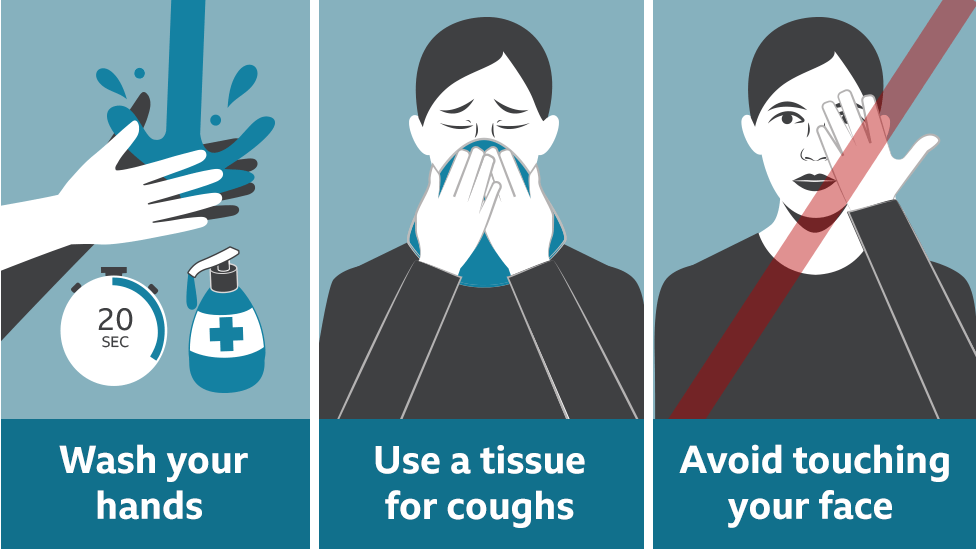
There is currently no vaccine to protect against COVID-19. The best way to prevent infection is to take everyday preventive actions, like avoiding close contact with people who are sick and washing your hands often. 


There is no specific antiviral treatment for COVID-19. People with COVID-19 can seek medical care to help relieve symptoms.


Share:

About Coronavirus


Image result for corona virus

Coronavirus disease (COVID-19) is an infectious disease caused by a new virus. Coronaviruses (CoV) are a large family of viruses that cause illness ranging from the common cold to more severe diseases such as Middle East Respiratory Syndrome (MERS-CoV) and Severe Acute Respiratory Syndrome (SARS-CoV).

Coronavirus disease (COVID-19) is a new strain that was discovered in 2019 and has not been previously identified in humans.

Coronaviruses are zoonotic, means they are transmitted between animals and people.  Detailed investigations found that SARS-CoV was transmitted from civet cats to humans and MERS-CoV from dromedary camels to humans. Several known coronaviruses are circulating in animals that have not yet infected humans. 

Common signs of infection include respiratory symptoms, fever, cough, shortness of breath and breathing difficulties. In more severe cases, infection can cause pneumonia, severe acute respiratory syndrome, kidney failure and even death. 

Standard recommendations to prevent infection spread include regular hand washing, covering mouth and nose when coughing and sneezing, thoroughly cooking meat and eggs. Avoid close contact with anyone showing symptoms of respiratory illness such as coughing and sneezing.
Share:

Coronavirus less severe in children than adults: Study


Image result for Children are less affected by Coronavirus compared to adults: Study


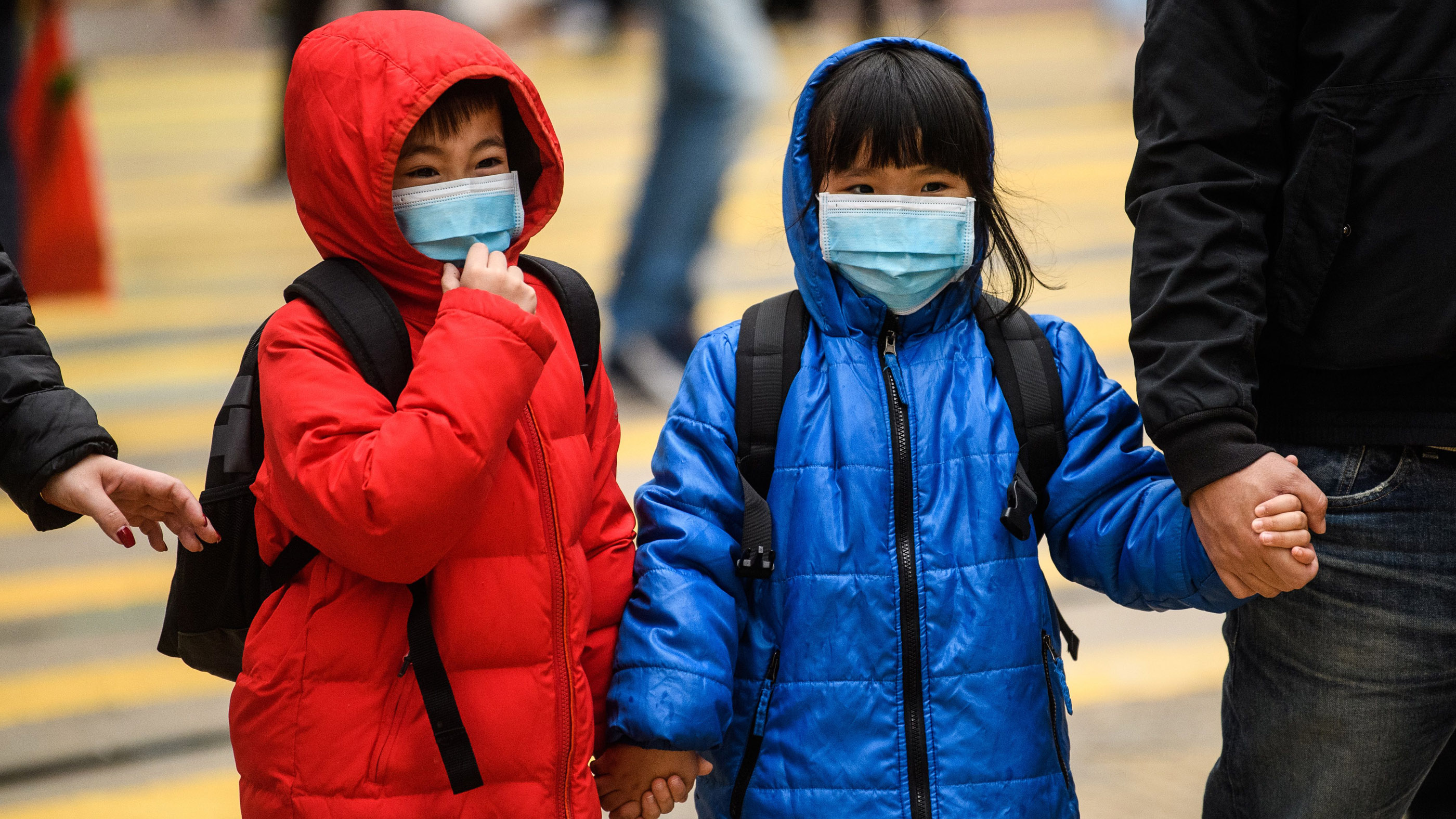
Children have fewer symptoms and less severe disease from infection with the novel coronavirus, according to a review of studies which suggests that kids infected by a household contact often show symptoms before them.


The review, published in the Pediatric Infectious Disease Journal, noted that the novel coronavirus, SARS-CoV-2, seems to cause fewer symptoms and less severe disease in children compared with adults.

According to the researchers (including from the University of Fribourg in Switzerland & the University of Melbourne in Australia) children are just as likely as adults to become infected with the virus, but are less likely to be unwell or develop severe symptoms.


According to the study, there are four coronaviruses that circulate in humans, mostly causing respiratory and gastrointestinal symptoms -- ranging from the common cold to severe disease.

The scientists said most reported infections with SARS-CoV-2 have occurred in children with a documented household contact, adding that kids with COVID-19 may be more likely to develop gastrointestinal symptoms.

Share:

Pages

Blog Archive

Support